Concerned about termites in Toronto? We provide quick, discreet identification of termite evidence including mud tubes, damaged wood, droppings, and wings, with detailed moisture and entry-point assessments customized for local freeze-thaw cycles and garden setups. We perform systematic inspections, photo-documented findings, and specialized solutions following municipal regulations. We utilize family-friendly treatment methods, controlled drilling operations, and plain vehicles to ensure discretion. Our team delivers continuous monitoring, entry point protection, and dampness prevention to prevent problems and follow regulations - see how we secure your property today.
Essential Points
- In-depth termite assessments of building foundations, under-house spaces, utility access points, and areas prone to moisture, complete with photographic evidence and detailed property layouts.
- We implement advanced methods such as in-ground bait systems, precise termiticide applications to affected areas, and precise wood applications following Canadian label guidelines.
- Protection and monitoring measures: fix and seal structural gaps, ensure 6-8 inches foundation-to-wood distance, control moisture content, and schedule regular seasonal inspections with GPS-tagged inspection points.
- Safe and discreet service for homes and businesses: featuring plain vehicles, convenient appointment times, family-friendly installations, controlled HEPA drilling systems, and full municipal bylaw compliance.
- Comprehensive documentation supplied including chain-of-custody documentation, product labels/SDS, lot numbers, exposure control measures, plus clearance schedules and recommendations for preventive sealing.
How to Spot Termites in Toronto Residences
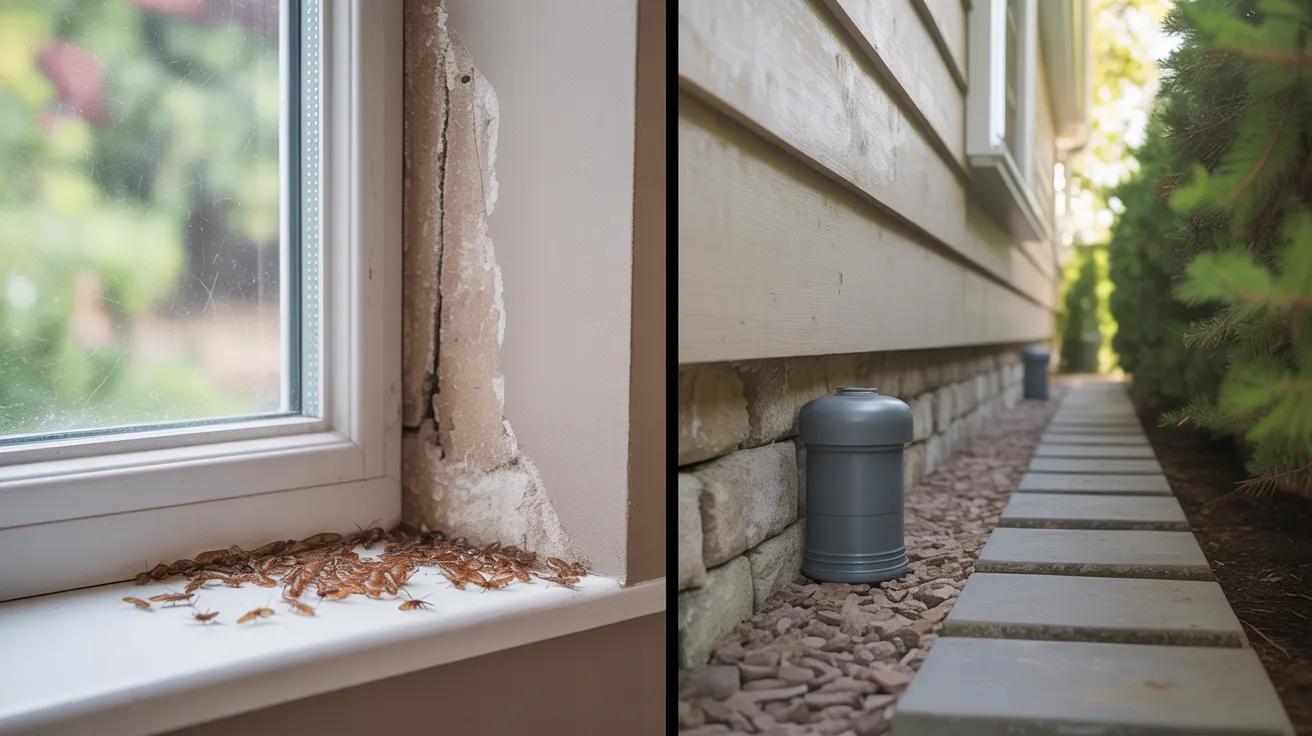
While termites typically remain concealed, you can identify early warning signs before structural damage becomes severe. Look for slender mud tubes running along foundations, joists, and sill plates. Test suspicious wood with a screwdriver; it may sound hollow or give way easily. Spotting discarded, equal-sized wings near window sills or light fixtures indicates a recent swarm. Be alert for tiny frass holes or slight bubbling in drywall or subfloors.
Outside, inspect for mud tracks or earthen smears near access points, specifically where soil level meets the siding. Inside basements and crawlspaces, verify air flow and monitor relative humidity. When using moisture meters, note any readings exceeding 20%, which may indicate suitable environments and hidden galleries.
For safety and security, do not disturb affected zones. Document with photos, identify the spots, and contact a licensed, insured pest professional for an inspection that follows Ontario regulations.
Local Conditions and Their Impact on Pest Activity
Toronto's freeze-thaw climate, combined with water-logged earth, mature residential structures, and dense urban landscaping generate perfect environments for insect pest challenges. The risks are higher as recurring freeze-thaw patterns create foundation and mortar damage, allowing below-grade pest entry. Saturated clay soils maintain capillary moisture that sustains termite foraging tubes and hastens timber decomposition. Urban heat islands increase soil temperature, lengthening insect breeding seasons and reducing winter dormancy.
Deteriorating buildings and aging utilities form routes through damaged baseboards, leaking pipes, and traditional stone foundations that create concealed dampness and wood contact points. Heavy mulch layers along outer walls preserve dampness at soil-wood intersections. Weather events overwhelm drainage systems, compelling pests to move toward buildings. In accordance with Ontario building and health regulations, focus on moisture management, exclusion maintenance, and adequate plant clearance to combat these location-based issues.
Our Comprehensive Inspection and Treatment Process
The unique pressures in Toronto call for an organized strategy, therefore our team adheres to a thorough evaluation and treatment system that meets Ontario Building Code and public health guidelines. Initially, we conduct a structured inspection of: foundation exterior, sill plates, service entry points, crawlspaces, and humidity-risk areas. We document wood damage, live activity, conducive conditions, and access locations, then transfer observations to a property layout.
We provide you with a comprehensive action plan with safety documentation and product information. When conditions permit, we deploy strategic bait stations at regulated spacing, using secure bait stations and tracking devices. For current pest activity, we utilize localized termiticides to voids and soil contact points, following label rates and setback requirements. We control ventilation, minimize dust, and secure people, animals, and plants while preserving comprehensive records and visual documentation.
Prevention Plans and Year-Round Monitoring
Since termite pressure in Toronto changes with moisture cycles and soil temperatures, it's essential to have a protection approach that pairs structural strengthening with year-round monitoring under Ontario and federal pesticide requirements. Start by fixing slab gaps, utility entries, and sill plates; preserve 6-8 inches of separation between soil and wood. Combine these actions with moisture control: address plumbing issues, point downspouts 2-3 meters from the foundation, and hold crawlspace humidity less than 60% with vapor barriers.
Arrange seasonal inspections aligned with thaw, spring rains, midsummer heat, and fall cooldowns. Deploy in-ground monitoring stations following spacing guidelines and document GPS points for consistent data. Document activity thresholds, treatment uptake, and conducive conditions. Adjust interventions to IPM principles, emphasizing low-risk solutions and strict recordkeeping to meet Ontario PMRA and WHMIS requirements.
Safe and Discreet Solutions for Residential and Commercial Properties
In many cases, you need termite control that protects individuals, animals, and business functions without drawing attention. We develop discrete methods that meet Ontario and federal pest control regulations, prioritize occupant safety, and preserve business continuity. You get confidential inspections, confidential consultations, and after-hours scheduling to limit business impact.
We employ specific baiting systems, HEPA-contained drilling, and localized wood treatments verified by product labels and Safety Data Sheets. Our child safe treatments and pet-friendly placement adhere to re-entry intervals and ventilation requirements. Technicians use plain service vehicles and proper waste handling according to local regulations.
We meticulously document every step: location hazard assessment, product lot information, and safety control protocols. You receive clear documentation, clearance timelines, and preventative sealing guidelines-delivering silent, compliant, and efficient termite removal without publicizing the process.
Questions & Answers
What Effect Do Termite Treatments Have on Home Resale Value and Disclosure Requirements?
Termite treatments can enhance property value when properly documented, but previous infestations may impact resale value and require disclosure. It's essential to disclose any known damage, past infestations, and completed repairs; buyers typically request treatment documentation, permits, warranties, and clearance certificates. Always use licensed professionals, follow safety protocols, and maintain detailed records of applications, timing, and inspection results. Pre-sale inspections and transferable warranties can reduce stigma, support financing requirements, and facilitate property evaluations and transactions.
Are Termite-Related Damages Included in Toronto's Standard Home Insurance?
Most Toronto home insurance plans generally exclude termite damage. Insurers consider this a maintenance issue, listed among common coverage exclusions. It's essential to carefully review your policy terms and conditions, as insurance companies typically don't cover slow-developing vermin damage. Maintain inspection records and document all preventive measures to prove responsible homeownership. While coverage might apply if an infestation causes immediate catastrophic issues, such cases are uncommon. Contact your insurance broker and follow Ontario's disclosure regulations.
Which Licenses and Certifications Are Needed for Toronto Termite Companies?
A reputable Toronto termite company needs to possess a valid Ontario pesticide operator licence and employ certified specialists who follow IPM standards, along with employing licensed inspectors certified in the Structural Pest Management scope. It's important to confirm the company's WSIB coverage, liability insurance, and WHMIS/GHS training. Verify their technicians have up-to-date MOECP certifications and adhere to label, website drift, and notification protocols. Obtain written inspection reports, treatment records, and safety data sheets. Verify their adherence to municipal bylaws and waste-disposal requirements.
Do You Work With Condo Boards and Property Managers?
Yes indeed, we collaborate with building management and condo boards with meticulous attention to detail. You'll receive efficient Board Coordination, detailed scopes, and compliant communications. We take care of entry coordination, access credentials and tenant communications to comply with bylaws and fire code requirements. We verify WSIB/COI, adhere to IPM protocols, and maintain safety signage. We provide service logs, Material Safety Data Sheets, and treatment summaries to ensure compliance and safety for all parties.
What Financial Options Are Available for Large-Scale Termite Services?
Indeed. We offer flexible payment options for comprehensive termite work, contingent on credit approval and contract conditions. We'll present staged payments aligned to inspection, treatment, and monitoring milestones, with adjustable rates based on project scale and property dimensions. We disclose all fees, adhere to provincial consumer protection rules, and copyright safety standards. You'll receive comprehensive breakdowns, warranties, and MSDS/label documentation, and we accept payment through ACH, credit card, or certified check.
Conclusion
You've spotted the clear signals-mud tracks like small roadways, hollow-sounding timber, debris looking like scattered spice. Don't hesitate for the stealthy pests to hollow out your property. With Toronto's fluctuating moisture levels and mature properties, you need an integrated approach that evaluates, remedies, and oversees year-round. We strictly follow product guidelines, IPM best practices, and city ordinances to safeguard people, pets, and property. Choose unobtrusive, data-driven termite control that blocks access routes and keeps watch like a protector at your property's base.